

How long does a thc edible stay in your system? THC edibles can stay in your system for varying durations depending on several factors. Generally, THC is detectable in urine for 1 to 30 days, in blood for 1 to 2 days, in saliva for 1 to 3 days, and in hair for up to 90 days.
Edibles are not just a yummy way to enjoy cannabis; they’re a sophisticated fusion of culinary art and science. The magic lies in their ingredients, with THC (tetrahydrocannabinol) being the key compound responsible for the high. Just like with smoking or vaping, edibles deliver THC into your system, but the method of delivery impacts how long the effects last.
Understanding the detection times of THC edibles is crucial for those balancing the delights of cannabis with the demands of modern life. Whether you’re preparing for a drug test or simply curious, knowing how long a THC edible stays in your system helps manage expectations and avoid surprises.
These detection times vary significantly. They depend on personal factors like metabolism and body fat, and on the dosage and frequency of edible consumption. For urban professionals aiming for a seamless cannabis experience, knowing these timelines helps in planning responsibly.
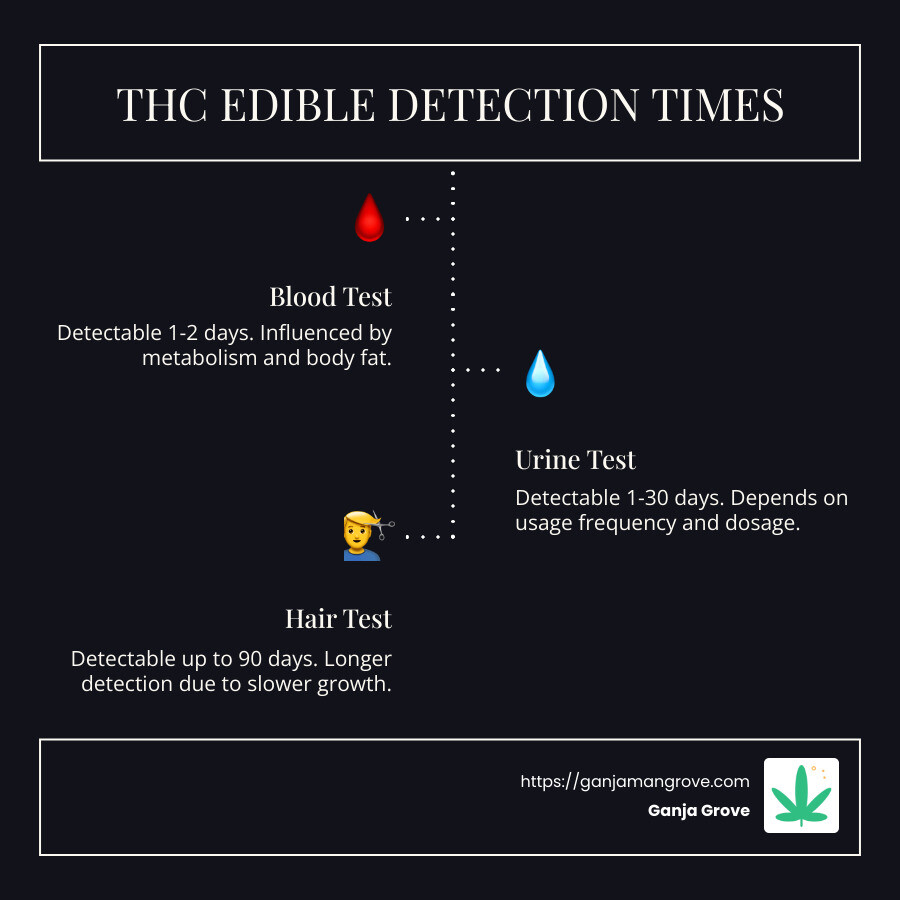
How long does a thc edible stay in your system basics:
- delta 9 thc edibles
- thc tincture vs edible
- delta 9 gummies
What Are THC Edibles?
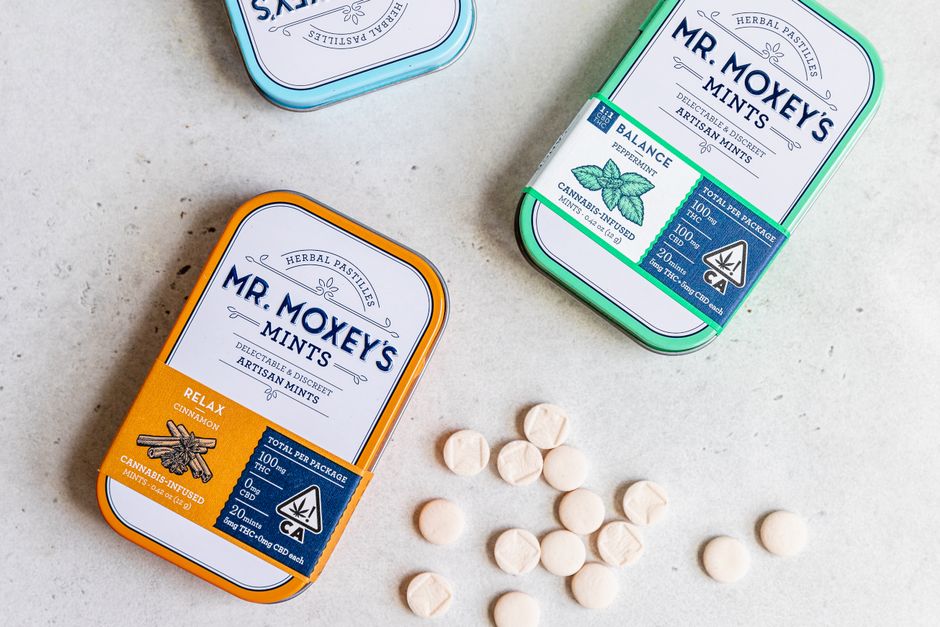
THC edibles are food and drink items infused with tetrahydrocannabinol (THC), the compound in cannabis that gives you a “high.” These edibles come in various forms, offering a wide range of tastes and textures to suit different preferences.
Types of Edibles:
- Baked Goods: Brownies and cookies are classic examples. Often homemade or commercially produced, these edibles usually have consistent THC doses.
- Gummies and Candies: Favored for their convenience and variety of flavors, they’re discreet and easy to carry.
- Chocolates: Ideal for chocolate lovers who want a sweet treat with their cannabis experience.
- Beverages: From teas to sodas, cannabis-infused drinks offer a refreshing way to consume THC.
- Savory Snacks: Chips and crackers are available for those who prefer something less sweet.
Cannabis-Infused Products:
Edibles are created by infusing food or drink with cannabis extracts, such as cannabis oil or butter. This process allows the THC to bind with fats in the food, ensuring even distribution throughout the product.
Consumption Methods:
Unlike smoking or vaping, consuming edibles involves eating or drinking the product. THC is absorbed through the digestive system, not the lungs. The effects take longer to kick in—usually 30 minutes to 2 hours—but they last much longer, often 4 to 12 hours or more. This delayed onset is crucial to consider, as it can lead to consuming more than intended if not careful.
Why Choose Edibles?
Edibles offer a discreet and smoke-free option for enjoying cannabis. Resembling regular food, they are less noticeable in social settings. Moreover, they don’t produce the odors associated with smoking, which is appealing for those seeking privacy.
For those new to edibles or looking to understand how long they stay in your system, it’s important to start with a small dose. Once consumed, the effects can’t be undone, so patience is key. The effects of edibles are more potent and longer-lasting compared to other methods of consuming cannabis.
How THC Edibles Work in the Body
When you consume THC edibles, the journey begins with digestion. Unlike smoking, where THC enters the bloodstream through the lungs, edibles take a different path. They are first broken down in the mouth by saliva before moving to the stomach.
Stomach and Small Intestine:
In the stomach, digestive enzymes and gastric juices further break down the edible. Once it reaches the small intestine, the real absorption begins. Cannabinoids, like THC, are fat-soluble. They pass through the intestinal walls and enter the bloodstream. This process is slower than inhalation, resulting in a delayed onset of effects, typically taking 30 minutes to 2 hours.
Liver Metabolism:
Once in the bloodstream, THC heads to the liver. Here, it undergoes a process called first-pass metabolism. The liver converts THC into 11-hydroxy-THC, a more potent form. This change is crucial because 11-hydroxy-THC crosses the blood-brain barrier more effectively, leading to stronger and longer-lasting effects compared to smoking or vaping cannabis.
Circulation and Elimination:
After the liver, the cannabinoids circulate through the body, binding to cannabinoid receptors in the brain and other parts. The effects can last from 4 to 12 hours or more, depending on various factors like dosage and individual metabolism.
Finally, THC and its metabolites are gradually eliminated from the body, primarily through urine. This slow elimination process is why edibles can be detected in drug tests for a longer period compared to inhaled cannabis.
Understanding this digestion and metabolism process is key to knowing how long does a THC edible stay in your system. The conversion to 11-hydroxy-THC is a significant factor in the intensity and duration of the effects. This is why starting with a low dose and being patient is crucial for those new to edibles.
How Long Does a THC Edible Stay in Your System?
When it comes to how long does a THC edible stay in your system, understanding detection times is crucial, especially if you’re facing a drug test. Different types of tests have varied detection windows based on factors like metabolism, body fat, and usage frequency.
Blood Tests
Blood tests can detect THC for a short period. Typically, THC from edibles can be found in your bloodstream for 1-2 days. This short detection window is due to the body’s efficient process of clearing THC from the blood. However, factors like individual metabolism and body fat percentage play a role. People with faster metabolisms or lower body fat may eliminate THC more quickly.
Urine Tests
Urine tests are the most common method for detecting THC. The detection period ranges from 1 to 30 days depending on several factors:
- Frequency of Use: Occasional users might clear THC in a few days, while regular users could test positive for weeks.
- Dosage: Higher doses mean THC stays in the system longer.
- Body Composition: More body fat can lead to longer retention of THC metabolites, as they are stored in fat cells.
Saliva and Hair Tests
Saliva tests are less common for edibles but can detect THC for 1-3 days. These tests are more effective for recent use. Hair tests, on the other hand, have the longest detection period. THC can be detected in hair follicles for up to 90 days. However, hair tests can sometimes result in false positives due to external contamination or the presence of other compounds like hemp.
Understanding these detection windows can help you prepare for drug tests and manage consumption effectively. By knowing the factors that influence these tests, you can make informed decisions about THC edible use.
Factors Influencing THC Duration
Several factors can affect how long THC from edibles stays in your system. Each of these can significantly alter the detection times and overall experience with THC edibles.
Dosage
Higher doses of THC take longer for your body to process. For instance, a 10mg edible might linger in your system for 4-12 hours, while a 20mg dose could extend beyond 12 hours. This is because larger amounts of THC require more time for your body to metabolize and eliminate them.
Tolerance
Your tolerance level can also impact how quickly THC is processed. Regular cannabis users often develop a higher tolerance, meaning their bodies can metabolize THC faster. This can lead to shorter detection times compared to occasional users. If you’re new to edibles, expect the effects to last longer.
Metabolism
Your body’s metabolic rate plays a crucial role in determining how long THC stays in your system. A faster metabolism can break down THC more quickly, reducing the duration it remains detectable. Conversely, a slower metabolism might extend the presence of THC in your body. Factors like age, physical activity, and overall health can influence metabolism.
Body Fat Percentage
THC is stored in fat cells, making body fat percentage a significant factor. Individuals with higher body fat may retain THC longer, as it is fat-soluble. This means that THC can be released back into the bloodstream over time, prolonging its presence in your system.
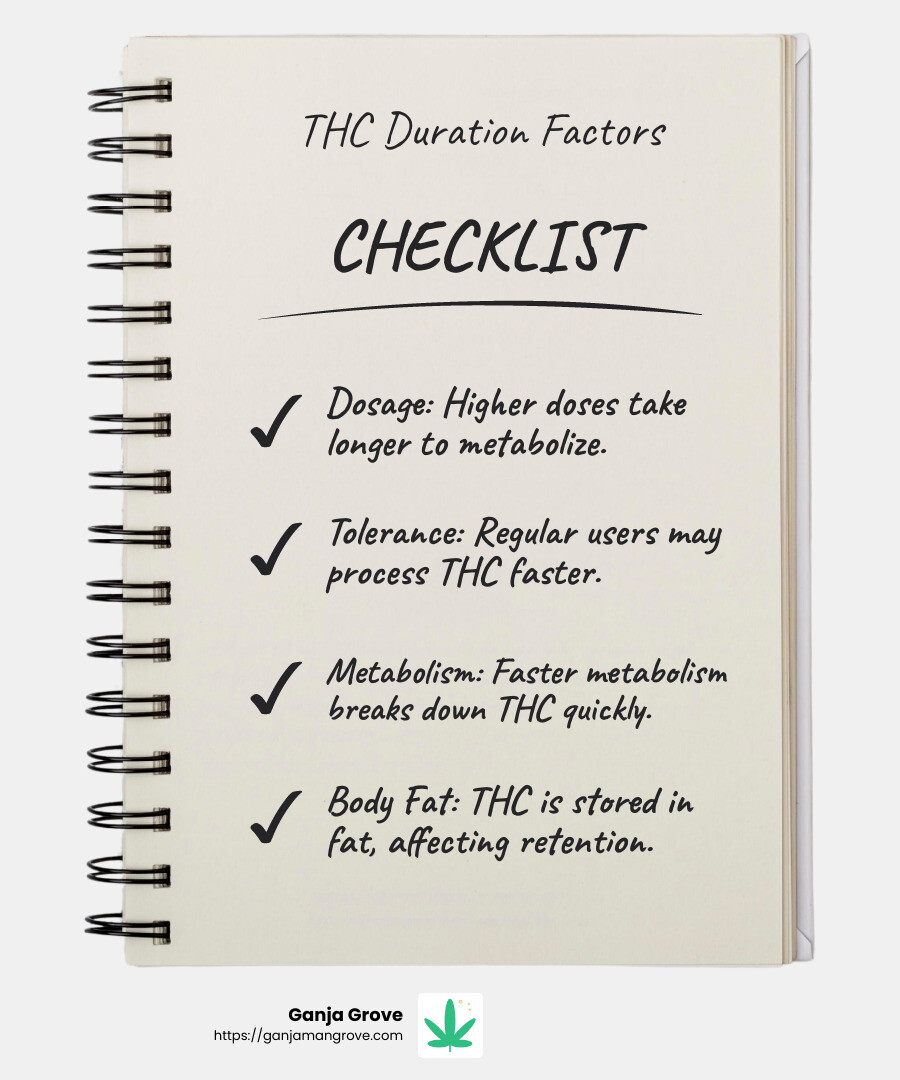
Understanding these factors can help you better manage your THC edible consumption. By considering dosage, tolerance, metabolism, and body fat percentage, you can make informed decisions and anticipate how long THC might stay in your system.
This knowledge is especially important if you’re preparing for a drug test or need to plan your consumption responsibly.
Potential Effects and Duration of Impairment
Consuming THC edibles can lead to a range of effects. These can vary greatly depending on the individual and the amount consumed.
Psychoactive Effects
THC edibles are well-known for their psychoactive effects. After ingesting an edible, you might experience changes in mood and perception. Some people feel euphoria, while others might feel more relaxed or even giggly. However, these effects can also include impaired cognitive functions like concentration and memory. This is why it’s crucial to avoid activities that require focus, such as driving or operating machinery, when under the influence of edibles.
Physical Effects
Beyond the mind, THC edibles can affect the body. Common physical effects include an increased heart rate, dry mouth, and heightened appetite. Some users might also feel drowsy, making it difficult to stay awake or alert. These effects typically last longer with edibles compared to smoking cannabis, often extending from 4 to 12 hours or even more, depending on the dosage and individual metabolism.
Anxiety and Paranoia
For some, edibles can trigger anxiety or paranoia, especially in high doses or for those sensitive to THC. It’s not uncommon for users to feel uneasy or overly worried after consuming too much. To minimize this risk, start with a low dose and wait to see how it affects you before consuming more. This approach can help you avoid uncomfortable experiences and enjoy the benefits of edibles safely.
Understanding these potential effects can help you make informed choices about THC edible consumption. Knowing what to expect allows you to plan your activities and manage your experience better. Always remember, the effects of edibles can be more intense and longer-lasting than other forms of cannabis.
How to Reduce THC Duration in Your System
If you’ve consumed THC edibles and want to speed up their departure from your system, there are a few strategies to consider. These methods can help reduce the duration of THC in your body, although results may vary depending on individual factors like metabolism and body fat percentage.
Hydration
Staying hydrated is one of the simplest ways to help your body flush out THC. Drinking plenty of water can aid your kidneys in filtering out toxins more effectively. While water alone won’t detox your system overnight, it supports your body’s natural detoxification process.
Tip: Keep a water bottle handy and sip throughout the day. Avoid sugary drinks as they can slow down this process.
Exercise
Engaging in regular exercise can also assist in reducing THC levels. THC is stored in fat cells, so activities that burn fat can help release THC metabolites into your bloodstream, where they can be processed and eliminated.
Consider: Cardio exercises like running, cycling, or swimming. These activities not only burn fat but also boost your metabolism, helping your body clear THC more efficiently.
Diuretics
Diuretics can increase urine production, helping to eliminate THC from your system faster. Natural diuretics like cranberry juice, green tea, and black tea are good options. They promote urination and help in flushing out toxins.
Note: While diuretics can be helpful, they should be used cautiously. Overuse can lead to dehydration, so balance them with adequate water intake.
These methods are not foolproof but can assist in reducing the presence of THC in your system. That factors like dosage, frequency of use, and individual metabolism will influence how quickly THC is eliminated. Always consider these strategies as part of a broader approach to managing your THC consumption responsibly.
Next, we’ll explore the legal and professional implications of THC edibles, including how they might affect workplace policies and drug testing.
Legal and Professional Implications
Navigating THC edibles involves understanding the legal and professional landscapes. While THC edibles are becoming more commonplace, there are still important restrictions and regulations to consider.
Age Restrictions
Even in places where cannabis is legal, there are age restrictions. Typically, you must be at least 21 years old to legally purchase and consume THC edibles. This aligns with alcohol regulations in most areas. Breaking these rules can lead to fines or other legal consequences.
Example: In California, only adults 21 and older can legally buy cannabis products, including edibles. Source
Drug Testing
Drug testing is a significant consideration for anyone consuming THC edibles, especially in professional settings. Many employers maintain drug-free workplace policies and may require drug tests for new hires or conduct random tests on existing employees. THC from edibles can be detected in various tests:
- Urine Tests: Can detect THC for 3 to 30 days after consumption.
- Blood Tests: Usually detect THC for 1 to 2 days.
- Hair Tests: Can show THC use for up to 90 days.
Fact: Because THC from edibles is metabolized differently, it can remain in the system longer than smoked cannabis. Source
Workplace Policies
Workplace policies on cannabis use can vary widely. Some industries, like healthcare or law enforcement, have strict no-tolerance policies regardless of local laws. It’s crucial to understand your company’s stance on cannabis use.
- Licensing and Certifications: Certain professions may require proof of a clean drug test for licensing, such as in the healthcare field.
- Legal and Ethical Responsibilities: Jobs like law enforcement may entirely prohibit cannabis use, even where it’s legal.
Advice: Before consuming THC edibles, review your workplace policies and consider potential impacts on your employment. Source
Understanding these legal and professional implications can help you make informed decisions about THC edibles. Next, we’ll dive into frequently asked questions about THC edibles, addressing common concerns like false positives and how long edibles stay in your system.
Frequently Asked Questions about THC Edibles
How long do edibles last in your system?
The duration THC edibles stay in your system can vary widely. This depends on several factors, including metabolism, body fat, and frequency of use.
- Urine Tests: THC from edibles can be detected anywhere from 3 to 30 days. Habitual users might see longer detection times.
- Blood Tests: THC is typically detectable for 1 to 2 days after consumption.
- Saliva Tests: THC can be found in saliva for 1 to 3 days.
- Hair Tests: These can detect THC for up to 90 days, making them the longest-lasting method of detection.
Fact: Chronic users may have THC in their system for over a month. Source
Can edibles cause a false positive?
Yes, edibles can lead to false positives in drug tests. This is often due to the presence of THC in hemp products, such as hemp seeds or oil. These products contain low THC levels (around 0.3%), but frequent consumption can cause THC to accumulate in fat cells.
Example: Eating hemp-infused granola bars regularly might trigger a false positive. Source
Why do edibles affect people differently?
The effects of edibles can vary greatly from person to person. Factors influencing these differences include:
- Metabolism: Faster metabolisms process THC more quickly.
- Body Fat Percentage: THC is stored in fat cells, so those with higher body fat might experience prolonged effects.
- Tolerance: Regular users may need higher doses to feel the same effects as new users.
- Strain and Strength: Different strains and THC concentrations affect potency and duration.
Quote: “New users might experience stronger effects even at lower doses.” Source
Understanding these FAQs can help you make informed decisions about THC edibles. Everyone’s body reacts differently, so it’s important to consider your unique situation.
Conclusion
At Ganja Grove, we believe in empowering our customers through cannabis education. Understanding how THC edibles work and their potential effects is crucial for responsible consumption. We aim to provide you with the knowledge you need to make informed decisions about your cannabis use.
Cannabis Education: It’s not just about selling products; it’s about sharing insights and experiences. Our team at Ganja Grove is dedicated to educating you on the nuances of cannabis, from the science behind edibles to the legal implications of their use. We offer resources and guidance to help you steer the changing world of cannabis.
Responsible Consumption: Consuming cannabis responsibly is vital for your well-being and for those around you. Start with a low dose and gradually increase as you understand how your body reacts. Be mindful of the setting and avoid activities that require full attention, like driving, until you know how edibles affect you.
By choosing Ganja Grove, you’re not just buying cannabis products; you’re joining a community that values knowledge, safety, and responsible enjoyment. Explore our extensive range of THC edibles and learn more about how they can improve your experience. Let’s accept the benefits of cannabis together, with awareness and responsibility.
Thank you for trusting Ganja Grove as your source for cannabis education and quality products. Whether you’re a new user or a seasoned connoisseur, we’re here to guide you every step of the way.